Thailand: Further crackdown on marijuana-infused products after toddler accidentally consumed cannabis gummies
Just days after the Thai Public Health Minister announced regulations to make cannabis illegal to be brought without a medical prescription, he has vowed again to curb illegal marijuana edibles and to outlaw recreational use altogether.
Toddler’s cannabis poisoning sparks national crackdown
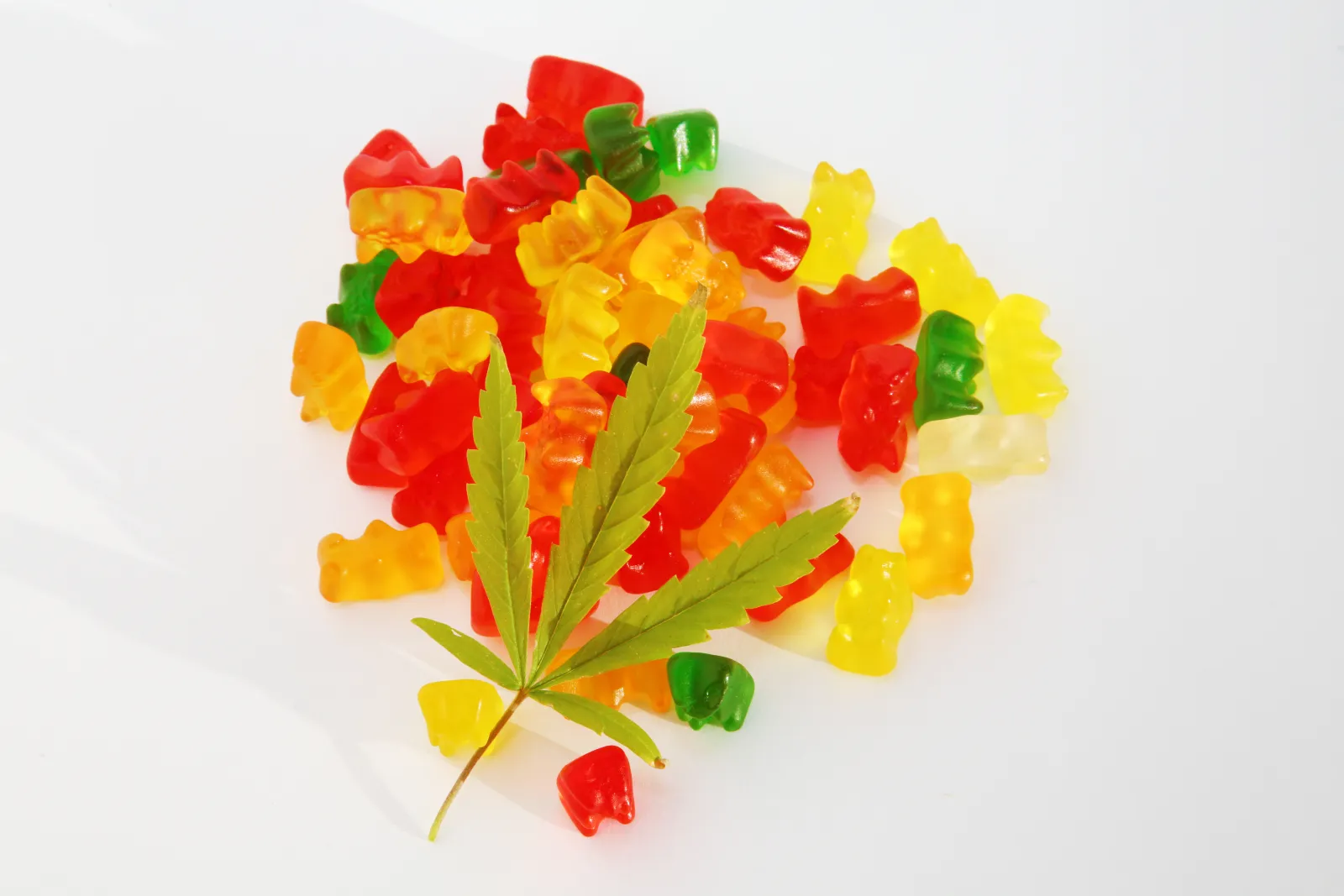
This follows a serious health incident in Chiang Mai in northern Thailand involving a two-year old girl who was hospitalised after accidentally consuming 10 cannabis-laced gummies at a birthday party. Two guests brought the gummy bears and left them at the house. The family later realised that the child may have eaten them by mistake.
She collapsed at school the next day—drowsy, disoriented and slipping into unconsciousness. Doctors admitted her twice. At one point, she was unresponsive for 24 hours. Initially, doctors could not determine what caused her symptoms. However, after speaking with family members, doctors diagnosed the girl with acute cannabis intoxication and sinusitis.
The girl’s father filed an official complaint with the police and is now demanding compensation from those responsible. Insurance refused to cover the expenses because the case involves narcotics.
The girl’s father posted about the incident online to warn others and he also expressed concern about potential long-term effects on his daughter’s brain.
More inspections to be made
The case has sparked national outrage and renewed fears cannabis-infused snacks are slipping into homes, parties and schools as the gummies and snacks are readily accessible online or at the shops. The health minister said he is now targeting illegal cannabis edibles and moving to outlaw recreational use altogether.
All regional public health offices are now directed to inspect shops, markets and other sales points. They must look for cannabis-infused products that violate existing laws and safety standards. Officials have full authority to arrest, fine or refer violators to police.
Additionally, the Ministry will target shops selling cannabis directly to consumers. The Department of Thai Traditional and Alternative Medicine will lead these inspections weekly. They will work in coordination with local police forces in both central and rural areas.
Shops found operating without a license will be prosecuted immediately with a fine or jail sentence., those with licenses who break conditions may have their licenses suspended or revoked.
Youth cannabis usage surges tenfold in two years
According to a survey by the Department of Psychiatry at Chulalongkorn University, cannabis use among Thai youth is rising as reported by the Thai Examiner.
In 2020, only 1–2% of youth aged 18–19 reported smoking cannabis. However, by 2022, the number had surged to 9.7%. That is a tenfold increase in just two years.
The Minister also warned that the social and mental health impacts of this trend could be severe. Therefore, stronger regulation and enforcement are essential.
The Ministry has now issued specific guidance to enforcement officers. First, all cannabis-infused food must be clearly labelled and approved by authorities. Second, cannabis extracts must not exceed legally defined THC content levels. Finally, sales to minors or indirect access through food must be strictly prevented.
He also highlighted the importance of public cooperation in identifying and eliminating illegal cannabis items and for members of the public to report these cases to the authorities.
Education campaigns on cannabis risks for children
Educational campaigns will also accompany enforcement measures. The Ministry plans to inform parents, schools, and communities about cannabis risks. Workshops and media messages will focus on preventing children from unknowingly consuming cannabis products.
Experts say cannabis in edible form poses greater risks to children. Because the drug is masked by sugar or flavouring, children are more likely to eat large quantities. Ingested cannabis also takes longer to metabolise, which can delay emergency treatment.
For this reason, the urgency of removing such products from the market must be taken more seriously. Although the law allows cannabis for health and research purposes, it prohibits unsafe and unregulated use.
The message is clear: cannabis in Thailand is meant to be used as medicine, not for parties, candy jars or school lunches.
Photo Credit: mikeledray / Shutterstock.com
link